

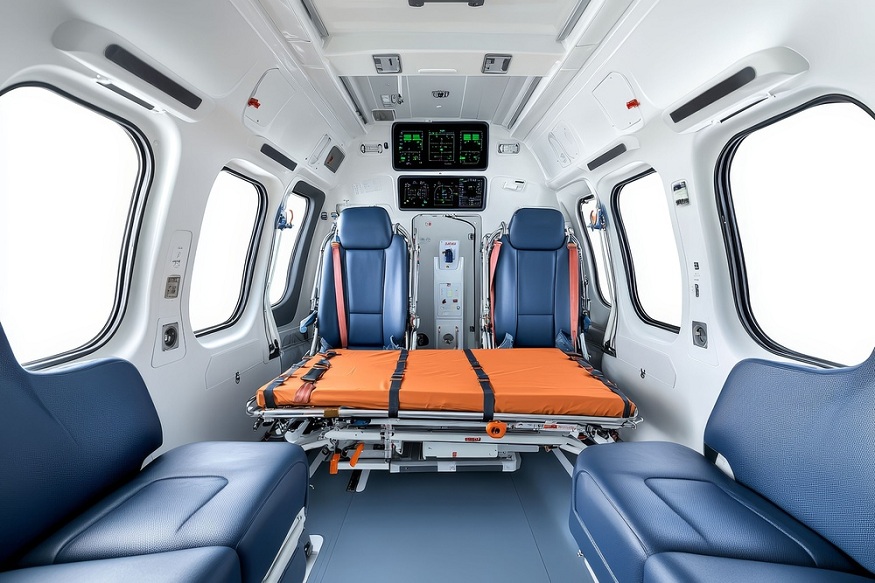
Helicopter crews used to worry mostly about weather and engine failures. Not anymore. Now they fly into neighborhoods where gunfire is Tuesday’s background noise. They land at accident scenes where crowds become hostile. Some even support military operations in active combat zones. The aviation industry had to adapt fast, and the results would blow your mind.
Beyond Traditional Safety Measures
Remember when helicopter safety meant seatbelts and a good helmet? Those days are gone. Sure, crash protection still matters. But it’s table stakes now. The bare minimum. Today’s game requires thinking three steps ahead of every possible threat. Operators spend weeks analyzing flight paths. They study crime statistics. They track seasonal violence patterns. Some even hire former military intelligence officers to assess risks. All this homework shapes how they configure aircraft and train crews.
Read More: TRYING NATIVE SMOKES FOR THE FIRST TIME: WHAT TO EXPECT
The materials revolutionizing this field would make a physicist giddy. Forget heavy steel that turns helicopters into sluggish targets. New composites are bulletproof and lighter than china. These materials actually bend and flex to absorb impacts. Steel just deflects stuff. These new materials catch projectiles like a catcher’s mitt. Aircraft stay nimble. Crews stay alive. Everyone wins.
Integrated Systems Approach
Protection that kills your mission capability is worthless. Dead crews can’t save patients, but neither can crews who arrive an hour late because their overloaded helicopter flies erratically. Everything connects now. Radios encrypt automatically. GPS systems work even when ground stations go dark. Medical gear sits where medics can reach it while wearing forty pounds of protective equipment.
Crews train differently, too. Try starting an IV while wearing body armor sometime. Or landing a helicopter after practicing evasive maneuvers all afternoon. These folks drill scenarios that would’ve seemed insane twenty years ago. But repetition builds instinct. In a firefight, there’s no time to think. Hands just know what to do.
Advanced Protection Technologies
The companies chasing the best ballistic protection systems for VIP aircraft interiors keep pushing boundaries that seemed impossible five years ago. LifePort has carved out a reputation for building protection that actually makes sense. Their gear stops threats without ruining everything else about the helicopter. Weight stays reasonable. Balance doesn’t go haywire. Pilots barely notice the difference until someone starts shooting.
Read More: Vaping Tips For Enhanced Experience And Health
Electronic warfare now extends beyond fighter jets. Laser detectors on medical helicopters sound an alarm when targeted. Heat suppressors make helicopters harder to track with missiles. Radar warning systems sound alarms before threats get close. The structural improvements are brilliant. Fuel tanks seal themselves after taking hits. If one flight control system fails, another takes over instantly. Even the windows stop bullets now, though you can still see through them perfectly. Every modification serves a purpose without interfering with others.
Operational Flexibility Remains Key
All the armor in existence means nothing if you can’t reach patients quickly. Speed saves lives. Range gets you there. Maneuverability keeps you alive on arrival. Engineers obsess over ounces. They put protection exactly where statistics say threats will hit. Not everywhere. Just the spots that matter. They pick materials based on actual risk assessment, not paranoid fantasies about worst-case scenarios. Smart beats strong every time.
Conclusion
Air medical survivability has grown up fast. What started as basic crash protection evolved into something resembling science fiction. Today’s defensive systems blend materials science, electronic warfare, and human factors engineering into packages that actually work. Despite the ever-shifting threats, the industry is now adapting more rapidly than it has in the past. Crews need protective equipment that doesn’t hinder rescues. That balance used to seem impossible. Now it’s just another Tuesday in the aviation industry. Where innovation never stops and lives depend on getting it right.